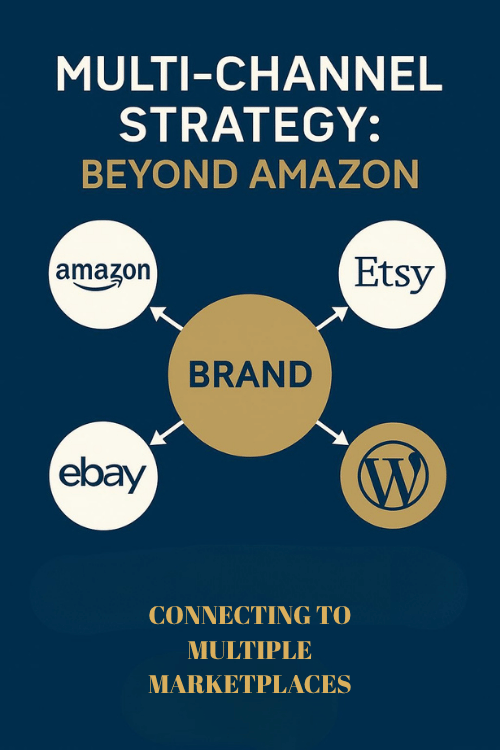
Expanding Your Brand Direct Selling to Walmart, Etsy, and Other Marketplaces
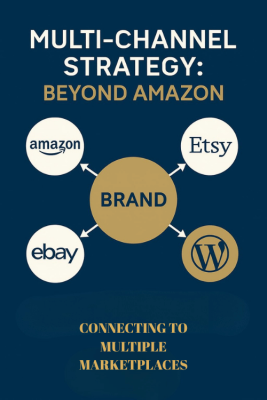
While Amazon remains the dominant e-commerce platform in North America, a truly robust brand direct strategy extends beyond a single marketplace. Diversifying your e-commerce presence across multiple platforms not only reduces dependency risk but also allows you to reach different customer segments and maximize your brand’s digital footprint.
This comprehensive guide explores how brands can successfully implement a multi-channel strategy while maintaining the core benefits of the brand direct model.
The Business Case for Multi-Channel Expansion
Before diving into specific platforms, let’s examine why expanding beyond Amazon makes strategic sense for brands:
-
Risk Mitigation
Relying exclusively on a single platform creates vulnerability to:
- Algorithm changes
- Policy updates
- Account issues
- Category restrictions
- Competitive pressures
A multi-channel approach provides stability through diversification, ensuring that challenges on one platform don’t devastate your entire e-commerce business.
-
Audience Expansion
Different marketplaces attract distinct customer demographics and shopping behaviors:
- Walmart typically draws value-conscious shoppers
- Etsy attracts consumers seeking unique, artisanal products
- eBay appeals to deal-hunters and collectors
- Target Plus caters to style-conscious middle and upper-middle-class shoppers
By establishing presence across multiple platforms, you can connect with customer segments that might not regularly shop on Amazon.
-
Brand Positioning Flexibility
Each marketplace has its own “personality” and customer expectations, allowing you to emphasize different aspects of your brand:
- Premium positioning on specialized marketplaces
- Value orientation on mass-market platforms
- Artisanal qualities on handmade-focused sites
- Sustainability credentials on eco-conscious marketplaces
-
Competitive Intelligence
Operating across multiple platforms provides valuable insights into:
- How your products perform with different audience segments
- Varying price sensitivities across marketplaces
- Platform-specific product feature preferences
- Competitive landscape differences
-
Increased Digital Shelf Space
Simply put, more platforms mean more opportunities for customers to discover your products through:
- Additional search engine results
- More social media sharing opportunities
- Expanded digital advertising options
- Cross-platform customer journeys
Major Marketplaces: Opportunities and Considerations
Let’s examine the key alternative marketplaces and what brands should consider when expanding to each.
Walmart Marketplace
Market Position: The second-largest online marketplace in the U.S., with rapidly growing e-commerce sales.
Key Demographics: Value-conscious shoppers, families, suburban and rural customers.
Seller Requirements:
- U.S. business registration
- Demonstrated history of e-commerce success
- Strong customer service metrics
- Competitive pricing
Unique Advantages:
- Integration with physical retail locations (Buy Online, Pick Up In Store)
- Walmart Fulfillment Services (WFS) for fast shipping
- Less competition than Amazon in many categories
- Strong grocery and household essentials crossover
Challenges:
- Strict performance requirements
- Price-sensitive customer base
- Less developed advertising platform
- More limited international reach
Brand Direct Considerations:
- Walmart’s “Pro Seller Badge” program rewards authorized sellers
- Increasing focus on brand authenticity and protection
- Growing brand registry-type features
Etsy
Market Position: Leading marketplace for handmade, vintage, and unique products.
Key Demographics: Predominantly female (81%), higher education levels, arts and crafts enthusiasts, gift buyers.
Seller Requirements:
- Focus on handmade, vintage, or craft supplies
- Clear product photography
- Unique product offerings
- Authentic brand story
Unique Advantages:
- Less direct price competition
- Higher perceived value for artisanal products
- Strong community engagement
- Emphasis on sustainability and ethical production
Challenges:
- May not be suitable for mass-produced items
- Higher customer service expectations
- Limited scalability for some product types
- More hands-on management required
Brand Direct Considerations:
- Excellent platform for craft-focused or artisanal brands
- Strong storytelling opportunities
- Authorized seller model works well for limited editions or special collections
eBay
Market Position: Established marketplace with global reach and diverse product categories.
Key Demographics: Broad customer base, slightly male-skewed, deal-seekers, collectors.
Seller Requirements:
- Basic business information
- Payment processing capabilities
- Adherence to platform policies
- Consistent fulfillment capabilities
Unique Advantages:
- Global customer base
- Auction format option for unique items
- Established trust mechanisms
- Lower fees than some competitors
Challenges:
- Price-sensitive shoppers
- Perception as a secondary market
- Less brand-focused shopping experience
- Higher risk of unauthorized sellers
Brand Direct Considerations:
- eBay Authenticate program for certain categories
- Authorized seller designation options
- Official store capabilities for brand presentation
Target Plus
Market Position: Invitation-only marketplace extension of Target’s e-commerce platform.
Key Demographics: Middle to upper-middle class, style-conscious shoppers, predominantly female.
Seller Requirements:
- Invitation only
- Established brand presence
- High-quality products
- Strong fulfillment capabilities
Unique Advantages:
- Highly curated seller base
- Premium brand association
- Integration with Target Circle loyalty program
- Less direct competition
Challenges:
- Invitation barrier to entry
- Strict performance requirements
- Limited to select categories
- Smaller customer base than major marketplaces
Brand Direct Considerations:
- Excellent platform for maintaining brand integrity
- Strong alignment with authorized seller model
- Premium positioning opportunities
Specialized Marketplaces
Beyond the major platforms, consider category-specific marketplaces:
Wayfair (Home Goods)
- Design-focused customer base
- Drop-ship model
- Strong content requirements
- White-glove delivery options
Newegg (Electronics)
- Tech-savvy customers
- Detailed specification requirements
- Strong review culture
- B2B crossover opportunities
Houzz (Home Improvement)
- Project-based shopping
- Professional and consumer audiences
- Design service integration
- Premium positioning
Implementing a Cohesive Multi-Channel Strategy
Expanding to multiple marketplaces requires careful planning to maintain brand consistency while optimizing for each platform’s unique characteristics.
-
Prioritize Expansion Based on Brand Fit
Not every marketplace is right for every brand. Consider:
- Product category alignment
- Customer demographic match
- Brand positioning compatibility
- Operational feasibility
- Competitive landscape
Develop a scoring matrix to objectively evaluate which platforms to prioritize based on your specific business objectives.
-
Maintain Brand Consistency Across Channels
While adapting to each platform’s requirements, ensure consistent:
- Brand messaging and voice
- Product descriptions and specifications
- Pricing strategy (accounting for fee differences)
- Image quality and style
- Customer service standards
Create a brand guidelines document specifically for marketplace listings to ensure consistency as you scale.
-
Develop Channel-Specific Optimization Strategies
Each marketplace has unique algorithms and customer expectations:
- Customize titles and descriptions for each platform’s search algorithm
- Adjust image ratios and types to match platform standards
- Optimize pricing to account for different fee structures
- Adapt content emphasis based on platform-specific customer priorities
-
Implement Centralized Inventory Management
As you expand to multiple channels, inventory management becomes increasingly complex:
- Invest in multi-channel inventory software
- Establish buffer stock policies to prevent overselling
- Create fulfillment priority hierarchies for limited inventory
- Consider platform-specific fulfillment services vs. centralized shipping
-
Coordinate Marketing and Promotion Calendars
Align promotional activities across channels:
- Create a master promotional calendar
- Adjust timing for platform-specific shopping patterns
- Coordinate external marketing with marketplace promotions
- Track cross-platform impact of marketing initiatives
-
Establish Unified Performance Metrics
Develop standardized KPIs to evaluate performance across channels:
- Normalized profit margin calculations
- Customer acquisition costs by platform
- Return rates and reasons
- Fulfillment speed and accuracy
- Customer lifetime value estimates
-
Build Platform-Specific Relationships
Success on each marketplace requires understanding its unique ecosystem:
- Identify key account managers or support contacts
- Participate in platform-specific seller programs
- Stay informed about upcoming changes and opportunities
- Network with other sellers in complementary categories
The Role of Authorized Partners in Multi-Channel Expansion
Managing multiple marketplaces significantly increases operational complexity. Working with an authorized partner like Meridra LLC can provide several advantages:
Expertise Across Platforms
Experienced partners maintain specialized knowledge of each marketplace’s:
- Seller requirements and application processes
- Algorithm optimization techniques
- Content best practices
- Advertising and promotional tools
- Performance metrics and benchmarks
Operational Efficiency
Partners can provide:
- Centralized inventory management
- Coordinated fulfillment solutions
- Unified customer service across platforms
- Streamlined returns processing
- Consolidated reporting and analytics
Accelerated Expansion
Working with partners allows for:
- Simultaneous launch across multiple platforms
- Leveraging existing marketplace relationships
- Faster account approval processes
- Immediate access to best practices
- Reduced learning curve
Brand Protection at Scale
As you expand to more platforms, brand protection becomes more challenging. Partners can provide:
- Monitoring for unauthorized sellers across all marketplaces
- Coordinated MAP policy enforcement
- Consistent brand representation
- Rapid response to listing issues
- Proactive counterfeit identification
Strategic Expansion for Sustainable Growth
A well-executed multi-channel strategy provides brands with both defensive protection against platform-specific risks and offensive opportunities to reach new customers and markets. However, successful expansion requires careful planning, sufficient resources, and expertise in each marketplace’s unique ecosystem.
By maintaining the core principles of the brand direct model—authorized representation, consistent messaging, and brand protection—while adapting to the specific requirements of each platform, brands can build a robust e-commerce presence that drives sustainable growth and reduces dependency risk.
Whether you’re considering your first expansion beyond Amazon or looking to optimize an existing multi-channel approach, partnering with experienced marketplace specialists like Meridra LLC can accelerate your success while minimizing operational challenges.