Selecting the Right Authorized Representative for Your Products
As more manufacturers embrace the brand direct model, choosing the right authorized partner becomes a critical business decision. The right partnership can accelerate your e-commerce growth while protecting your brand integrity; the wrong one can create operational headaches and potentially damage your brand reputation.
This comprehensive guide will walk you through the essential criteria for evaluating potential brand direct partners, helping you make an informed decision that aligns with your business objectives.
Understanding the Stakes: Why Partner Selection Matters
Before diving into specific evaluation criteria, it’s important to understand what’s at stake in this decision. Your authorized partner will:
- Represent your brand to millions of potential customers
- Control how your products are presented and marketed
- Influence pricing and positioning in the marketplace
- Handle customer service interactions
- Manage inventory and fulfillment logistics
- Provide data that informs your broader business strategy
Given these responsibilities, thorough due diligence is not just recommended – it’s essential for your brand’s success in the direct-to-consumer channel.
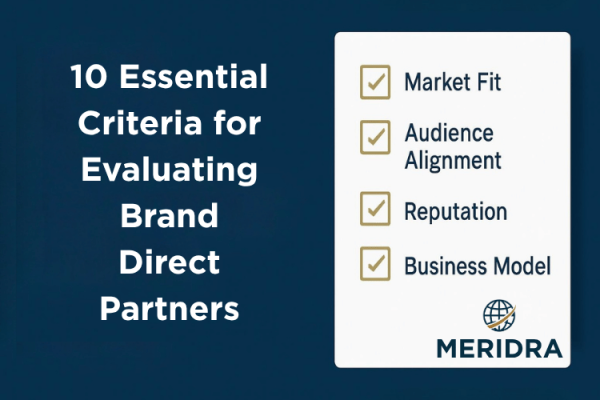
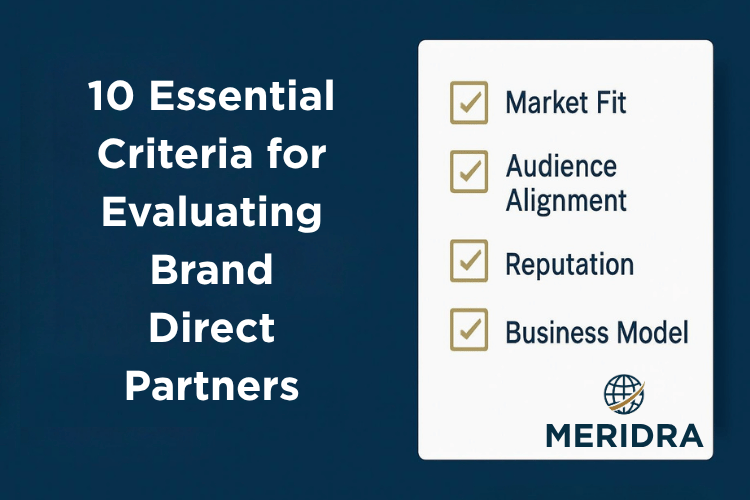
10 Essential Criteria for Evaluating Brand Direct Partners
1. Track Record and Experience
What to assess:
- Years of experience in e-commerce and marketplace management
- Specific experience in your product category
- Performance metrics with existing brand partners
- Case studies and success stories
- Client retention rates
Questions to ask:
“How long have you been managing brands in our category?”
“Can you share specific growth metrics from similar brands you’ve represented?”
“What’s your client retention rate over the past three years?”
Red flags:
- Inability to provide specific performance metrics
- High client turnover
- Limited experience in your specific product category
2. Brand Protection Capabilities
What to assess:
- Processes for monitoring and addressing unauthorized sellers
- Experience with Brand Registry and other protection tools
- Counterfeit identification and removal procedures
- MAP policy enforcement strategies
- Proactive vs. reactive approach to brand protection
Questions to ask:
- “What specific tools and processes do you use to identify unauthorized sellers?”
- “How quickly do you typically resolve unauthorized seller issues?”
- “How do you ensure MAP policy compliance across marketplaces?”
Red flags:
- Vague answers about protection methodologies
- No dedicated team for brand protection
- Lack of proactive monitoring systems
3. Operational Infrastructure
What to assess:
- Warehouse and fulfillment capabilities
- Inventory management systems
- Order processing efficiency
- Returns handling procedures
- Quality control measures
Questions to ask:
- “What is your average processing time from order to shipment?”
- “How do you handle seasonal inventory fluctuations?”
- “What quality control measures do you implement before products ship?”
Red flags:
- Outsourcing critical operational functions without oversight
- Limited warehouse capacity or geographic coverage
- Manual rather than automated inventory systems
4. Data Analytics and Reporting
What to assess:
- Depth and frequency of performance reporting
- Customer data collection and analysis capabilities
- Competitive intelligence gathering
- Actionable insights vs. raw data
- Reporting customization options
Questions to ask:
- “Can I see a sample of your standard performance reports?”
- “How do you translate data into actionable recommendations?”
- “What customer insights have you uncovered for similar brands?
Red flags:
- Basic reporting limited to sales figures
- Inability to provide customer demographic data
- Lack of competitive analysis
5. Marketing and Content Expertise
What to assess:
- Quality of product listings and enhanced content
- Advertising strategy and management
- SEO knowledge specific to marketplaces
- Creative capabilities for imagery and copy
- Brand voice consistency
Questions to ask:
- “How do you maintain our brand voice in product listings?”
- “What’s your approach to A+ Content development?”
- “How do you optimize product discoverability?”
Red flags:
- Generic, template-based content approach
- Limited understanding of marketplace SEO
- Poor quality sample listings or creative work
6. Customer Service Standards
What to assess:
- Response time metrics
- Resolution processes
- Service team training
- Multilingual capabilities if relevant
- Review management approach
Questions to ask:
- “What is your average response time to customer inquiries?”
- “How do you handle negative reviews or customer complaints?”
- “How do you ensure customer service representatives understand our products?”
Red flags:
- Outsourced customer service without quality controls
- Response times exceeding 24 hours
- No process for escalating complex issues to brand teams
7. Financial Stability and Business Model
What to assess:
- Company financial health
- Business model alignment with your goals
- Pricing structure transparency
- Investment in technology and infrastructure
- Growth trajectory and future plans
Questions to ask:
- “How is your company positioned for growth over the next 3-5 years?”
- “What investments are you making in technology or infrastructure?”
- “How does your business model align with our growth objectives?”
Red flags:
- Lack of transparency about business model
- Unclear pricing structure
- Signs of financial instability
8. Technology Stack and Integration Capabilities
What to assess:
- Inventory management systems
- Order processing technology
- Data analytics platforms
- API and integration capabilities
- Automation level
Questions to ask:
- “How will your systems integrate with our existing technology?”
- “What level of automation do you employ in daily operations?”
- “How do you stay current with marketplace technology changes?”
Red flags:
- Outdated technology systems
- Heavy reliance on manual processes
- Limited integration capabilities
9. Scalability and Growth Capacity
What to assess:
- Ability to handle sales volume increases
- International expansion capabilities
- Multi-marketplace management
- New product launch processes
- Peak season handling
Questions to ask:
- “How do you handle sudden increases in sales volume?”
- “What is your process for new product launches?”
- “What international marketplaces do you currently support?”
Red flags:
- Capacity constraints during peak periods
- Limited geographic coverage
- Resistance to scaling operations
10. Cultural Fit and Communication Style
What to assess:
- Alignment with your company values
- Communication frequency and transparency
- Problem-solving approach
- Accessibility of leadership team
- Collaborative vs. transactional mindset
Questions to ask:
- “How would you describe your company culture?”
- “What is your typical communication cadence with brand partners?”
- “How do you handle disagreements or strategy differences?”
Red flags:
- Misalignment with core values
- Overpromising results
- Limited access to senior leadership
The Evaluation Process: A Step-by-Step Approach
To thoroughly evaluate potential partners, follow this structured approach:
Step 1: Initial Screening
- Review company websites and marketing materials
- Check online reviews and testimonials
- Conduct preliminary research on company history and leadership
- Evaluate public case studies and client lists
Step 2: Request for Information (RFI)
- Develop a standardized questionnaire covering:
- Company background and experience
- Operational capabilities
- Technology infrastructure
- Performance metrics
- Client references
- Service offerings and pricing model
Step 3: Comparative Analysis
Create a scoring matrix to objectively compare potential partners across your key criteria, weighting factors based on your specific business priorities.
Step 4: In-Depth Interviews
Conduct detailed interviews with shortlisted partners, involving stakeholders from:
- Marketing
- Operations
- Finance
- Product development
- Executive leadership
Step 5: Reference Checks
Speak with current and former clients, asking about:
- Performance against objectives
- Communication quality
- Problem resolution
- Overall satisfaction
- Areas for improvement
Step 6: Site Visits and Operational Review
For finalists, conduct on-site visits to:
- Tour facilities
- Meet team members
- Observe operations in action
- Verify claims made during the sales process
Making the Final Decision: Beyond the Checklist
While the criteria above provide a structured evaluation framework, your final decision should also consider these strategic factors:
Strategic Alignment
The ideal partner should demonstrate a clear understanding of your brand’s long-term vision and how e-commerce fits into your overall business strategy.
Growth Potential
Consider not just current capabilities but the partner’s trajectory and how they can support your brand’s future growth ambitions.
Relationship Dynamics
The most successful partnerships are built on trust, transparency, and mutual respect. Evaluate the chemistry between your teams and the cultural compatibility of your organizations.
Risk Assessment
Conduct a thorough risk analysis of each potential partnership, considering factors like:
- Dependency risks
- Competitive conflicts
- Financial stability
- Regulatory compliance
- Data security
Conclusion: A Partnership, Not Just a Service Provider
The most successful brand direct relationships transcend the traditional vendor-client dynamic. You’re not simply hiring a service provider; you’re selecting a partner who will serve as an extension of your brand in the marketplace.
At Meridra, we believe that thorough evaluation is the foundation of successful partnerships. We welcome rigorous assessment of our capabilities, performance metrics, and client relationships because we understand the significance of the decision you’re making.
By applying the criteria and process outlined in this guide, you’ll be well-positioned to select a brand direct partner who can drive sustainable growth while protecting the brand equity you’ve worked so hard to build.
Looking for an authorized partner who welcomes thorough evaluation? Contact us today to discuss how our capabilities align with your brand direct needs.