How Authorized Partnerships Facilitate International Marketplace Entry
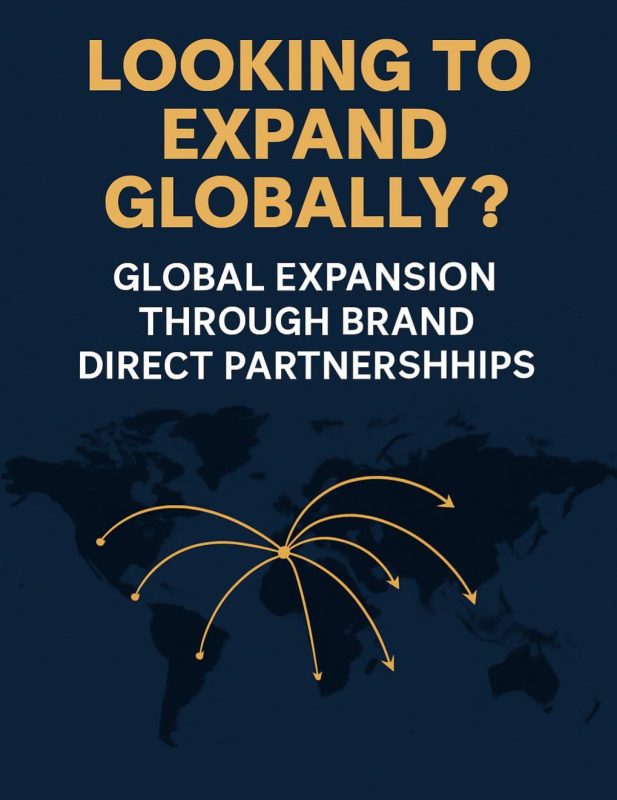
In today’s interconnected economy, expanding your brand to international markets represents one of the most significant growth opportunities available. However, global expansion comes with complex challenges: different regulations, cultural nuances, logistics hurdles, and marketplace variations. For many brands, these obstacles can seem insurmountable without substantial investment and risk.
This is where the brand direct model, working through authorized partnerships, offers a compelling solution. By partnering with experienced representatives who understand both your brand values and international markets, you can achieve global reach while minimizing risk and investment.
The Global E-Commerce Opportunity
Before exploring how brand direct partnerships facilitate international expansion, let’s examine the scale of the opportunity:
Market Size and Growth
- Global e-commerce sales are projected to reach $7.4 trillion by 2025
- Cross-border e-commerce is growing at 27% annually, outpacing domestic e-commerce
- Emerging markets in Southeast Asia, Latin America, and Eastern Europe show the highest growth rates
- 57% of online shoppers have made purchases from overseas retailers
Consumer Behavior Shifts
- Increasing comfort with international purchasing
- Growing preference for unique, foreign brands
- Rising expectations for international shipping options
- Willingness to pay premium prices for authentic international products
Platform Expansion
- Amazon operates marketplaces in 20+ countries
- Walmart has expanded its international e-commerce presence
- Regional powerhouses like Mercado Libre, Flipkart, and Lazada dominate specific markets
- Cross-border selling features are being enhanced across major platforms
Key Challenges of International Expansion
Despite the opportunities, brands face significant hurdles when expanding globally:
Regulatory Compliance
- Product certification requirements
- Labeling and packaging regulations
- Import duties and taxes
- Consumer protection laws
- Data privacy regulations (GDPR, CCPA, etc.)
Operational Complexity
- Cross-border shipping logistics
- Returns management across borders
- Currency conversion and payment processing
- Inventory allocation across markets
- Customer service in multiple languages and time zones
Cultural Adaptation
- Language translation and localization
- Cultural preferences and taboos
- Seasonal buying patterns
- Local competitive landscape
- Market-specific pricing strategies
Financial Considerations
- Currency fluctuation risks
- International banking relationships
- Tax implications and reporting
- Capital allocation across markets
- ROI measurement challenges
How Brand Direct Partnerships Solve Global Expansion Challenges
Authorized partnerships provide a strategic solution to these challenges by leveraging specialized expertise and established infrastructure:
- Market Knowledge and Entry Strategy
Experienced partners bring:
- Deep understanding of local market dynamics
- Competitive landscape analysis
- Consumer behavior insights
- Realistic growth projections
- Prioritization recommendations for phased expansion
Partner Advantage: Instead of learning through trial and error, brands can leverage partners’ existing market knowledge to develop targeted entry strategies with higher success rates.
- Regulatory Navigation
Partners provide:
- Compliance expertise for each market
- Product certification guidance
- Labeling and packaging adaptation
- Import documentation management
- Ongoing regulatory monitoring
Partner Advantage: Regulatory missteps can result in costly product seizures, fines, or marketplace suspensions. Partners with regulatory expertise help brands avoid these pitfalls while accelerating time-to-market.
- Localized Content and Positioning
Partners facilitate:
- Professional translation and cultural adaptation
- Market-specific product positioning
- Localized photography and creative assets
- Keyword research in local languages
- Culturally appropriate messaging
Partner Advantage: Beyond basic translation, effective localization requires understanding cultural nuances and marketplace-specific content requirements. Partners ensure your brand message resonates authentically in each market.
- International Logistics Solutions
Partners provide:
- Established shipping and fulfillment networks
- Customs clearance expertise
- Strategic inventory positioning
- Returns processing capabilities
- Last-mile delivery optimization
Partner Advantage: International logistics represent one of the most complex aspects of global expansion. Partners with established networks can dramatically reduce shipping times and costs while improving customer experience.
- Local Customer Service
Partners offer:
- Native-language customer support
- Time zone-appropriate coverage
- Cultural understanding in communication
- Local return and exchange handling
- Market-specific service expectations
Partner Advantage: Customer service expectations vary significantly across markets. Partners provide culturally appropriate support that builds trust and loyalty with international customers.
- Financial Management
Partners help manage:
- Currency conversion and repatriation
- Market-specific pricing strategies
- Tax compliance and reporting
- Payment method optimization
- Fraud prevention tailored to local patterns
Partner Advantage: Financial complexities often create hidden costs in international expansion. Partners with financial expertise ensure compliance while maximizing profitability across markets.
Strategic Approaches to Global Expansion Through Partnerships
Successful international expansion through brand direct partnerships typically follows one of these strategic approaches:
- The Regional Hub Model
This approach involves:
- Selecting a primary market in each major region (North America, Europe, Asia-Pacific, etc.)
- Establishing strong operations in these hub markets
- Gradually expanding to neighboring countries from each hub
- Leveraging regional similarities in regulations and logistics
- Building region-specific expertise before wider expansion
Example: A U.S. beauty brand might start with Canada as its first international market, then expand to Mexico, creating a North American hub before tackling Europe or Asia.
- The Language Cluster Approach
This strategy focuses on:
- Grouping expansion markets by shared language
- Developing content and support capabilities for one language at a time
- Leveraging content and marketing assets across multiple countries
- Building language-specific expertise in customer service
- Creating efficiencies in translation and localization
Example: A brand might focus on Spanish-speaking markets (Spain, Mexico, Colombia, etc.) as a cluster, allowing for shared content development and customer service resources.
- The Platform-Led Expansion
This approach involves:
- Following a specific marketplace’s global footprint
- Leveraging platform-specific tools for international selling
- Building expertise on one platform across multiple countries
- Utilizing centralized fulfillment options when available
- Creating consistent cross-border processes
Example: A brand might expand to all Amazon marketplaces globally before considering other platforms, leveraging Amazon’s built-in tools for international selling and fulfillment.
- The Phased Complexity Model
This strategy entails:
- Starting with markets most similar to the home country
- Gradually expanding to increasingly different or complex markets
- Building capabilities and experience incrementally
- Applying lessons learned to more challenging expansions
- Developing a repeatable expansion playbook
Example: A U.S. brand might expand first to Canada and the UK (similar language, business practices), then to Western Europe, followed by Japan and Australia, before tackling emerging markets in Southeast Asia or Latin America.
Case Study: Successful Global Expansion Through Partnership
A premium home goods manufacturer based in the United States wanted to expand internationally but lacked the internal resources and expertise to manage global operations. By partnering with an authorized representative specializing in international e-commerce, they achieved:
- Entry into 12 international markets within 18 months
- 73% lower operational costs compared to establishing their own international infrastructure
- Consistent brand representation across all markets
- Localized customer service with 95% satisfaction ratings
- Regulatory compliance without costly consultants or legal issues
- 32% of total revenue now coming from international sales
The key to their success was selecting a partner with both brand direct expertise and established international capabilities, allowing them to maintain brand integrity while navigating the complexities of global expansion.
Selecting the Right Partner for International Expansion
Not all authorized partners have the capabilities to support global expansion effectively. When evaluating potential partners for international growth, consider these critical factors:
- Geographic Footprint and Expertise
Assess:
- Countries where they currently operate
- Depth of experience in each market
- Local team presence vs. remote management
- Understanding of regional marketplace dynamics
- Relationships with local service providers and platforms
- Localization Capabilities
Evaluate:
- Translation quality and cultural adaptation expertise
- Market-specific content creation abilities
- Understanding of local consumer preferences
- Adaptation of product positioning for different markets
- Photography and creative assets appropriate for each market
- International Logistics Infrastructure
Consider:
- Cross-border shipping capabilities
- Fulfillment center locations
- Customs clearance expertise
- Returns processing in multiple countries
- Ability to optimize for both cost and speed
- Multi-Language Customer Service
Assess:
- Native-speaking support staff availability
- Coverage across relevant time zones
- Cultural training and sensitivity
- Service level consistency across markets
- Local contact methods (phone, email, chat, etc.)
- Regulatory Compliance Expertise
Evaluate:
- Knowledge of product regulations in target markets
- Experience with import/export requirements
- Understanding of tax implications
- Data privacy compliance capabilities
- Marketplace policy expertise across regions
- Financial Management Capabilities
Consider:
- Multi-currency handling
- International banking relationships
- Tax reporting across jurisdictions
- Market-specific pricing strategies
- Revenue repatriation processes
Building a Successful International Partnership Strategy
To maximize the benefits of brand direct partnerships for global expansion, follow these best practices:
- Start with Clear Objectives
Define specific goals for international expansion:
- Priority markets and timeline
- Revenue targets by country
- Brand awareness objectives
- Market share aspirations
- Long-term global footprint vision
- Develop Market-Specific Strategies
Work with your partner to create tailored approaches for each market:
- Product selection and adaptation
- Pricing and positioning
- Marketing and promotion plans
- Competitive differentiation
- Growth trajectory expectations
- Establish Strong Communication Protocols
Create systems for effective cross-border collaboration:
- Regular reporting cadence
- Clear escalation pathways
- Shared project management tools
- Documentation standards
- Performance review processes
- Implement Phased Expansion
Avoid trying to enter too many markets simultaneously:
- Start with 1-3 priority countries
- Establish successful operations before expanding further
- Apply learnings from early markets to later expansions
- Build capabilities and processes incrementally
- Celebrate and document early wins
- Maintain Brand Consistency While Embracing Localization
Balance global brand standards with local market needs:
- Develop clear guidelines for acceptable adaptations
- Create market-specific style guides
- Establish approval processes for localized content
- Regularly audit brand presentation across markets
- Share successful localization examples across regions
Conclusion: Global Reach Through Strategic Partnerships
The brand direct model, implemented through authorized partnerships, offers manufacturers a powerful pathway to global expansion without the traditional barriers of massive investment, steep learning curves, and high risk. By leveraging partners with established international expertise and infrastructure, brands can accelerate their global growth while maintaining the control and consistency that defines the brand direct approach.
At Meridra LLC, we specialize in helping brands navigate the complexities of international expansion through our established global network and marketplace expertise. Our approach combines rigorous brand protection with strategic market entry, ensuring your products reach new customers worldwide while maintaining the integrity and positioning you’ve worked hard to build.
Ready to explore international growth opportunities for your brand? Contact Meridra LLC today to discuss how our global brand direct partnerships can accelerate your expansion while minimizing risk and investment.